.png)
.png)
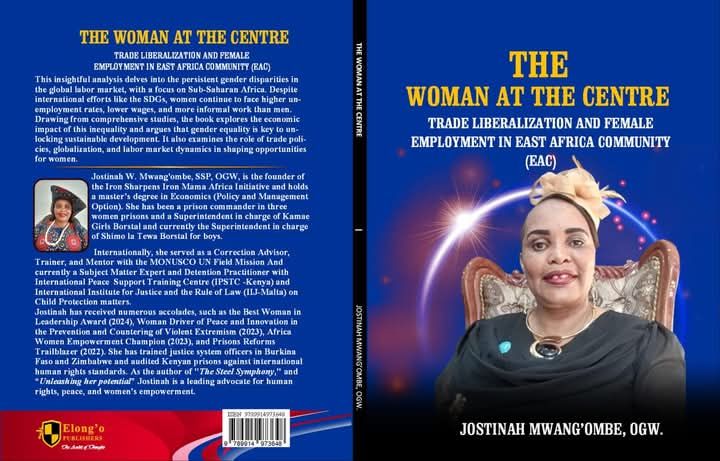
The Woman At The Centre
The United Nations reported that just 47 per cent of women of working age participated in the labour market in 2020, compared to 74 per cent of men. Although there have been significant changes in the Gross Domestic Product and trade structure, structural changes in employment have been negligible in Sub-Saharan Africa and particularly in The East African Community. Despite being above the Sub-Saharan Africa average female Employment to Population, all the East African Community member states that are the focus of this study have had a declining Employment to employment-to-population ratio. The primary goal of this study is to look into the impact of trade integration on gender outcomes in the East African Community. This was achieved by combining the Phillips and Okuns law to link the relationship between unemployment and its direct and indirect variables. Annual panel data between 2000 to 2021 was utilised. The results show that trade openness has a depressing effect on the share of women employed in the agricultural sector and a positive effect on the share of female employment in the services sector. This trend could be explained by the closeness of the sectors, meaning that female workers do not need new skills to move between the agricultural and services sectors. For women to take advantage of job opportunities in the services sector that improve inequality there is a need to reskill women so that they can take advantage of higher-level job opportunities in the services sector.
Leave a Reply